





 Submit


What materials are required for the FCC certification of a motion camera?
 2024.10.31 00:00:00
 843
843





When a sports camera is to enter the US market, it must obtain FCC certification; otherwise, it will face the risk of being seized by customs. To obtain FCC certification, different products are subject to three different certification models: FCC-VOC (for ordinary electronic products), FCC-DOC (for computer peripheral products), and FCC-ID (for wireless products). Each of these certification models requires that the testing laboratory obtain FCC recognition, and there are different application, testing, and declaration requirements.
The FCC DoC certification is in the form of Declaration of Conformity. The responsible party for the Declaration of Conformity device (usually the manufacturer or importer) conducts tests on the product at the qualified testing institution designated by FCC to ensure that the device complies with relevant technical standards and retains the test report. FCC has the right to require the responsible party to submit samples of the device or the test data of the product. Products that need to undergo FCC DoC certification mainly target IT products and related auxiliary equipment.
To apply for FCC Verification or FCC DOC certification, the following documents need to be submitted.
1. Application form (we provide the template, and the customer fills it out)
2. Product electrical schematic diagram (provided by the customer)
3. Product circuit diagram (provided by the customer)
4. Explosion diagram (provided by the customer)
5. List of key components or raw materials (we provide the template, and the customer fills it out)
6. Description of frequency modulation method (information about the working oscillation frequency of the product, including the propagation path of the signal and the corresponding oscillation frequency) - provided by the customer
7. Product manual (provided by the customer)
8. 1-2 sample machines
9. Other materials required by the main inspection engineer
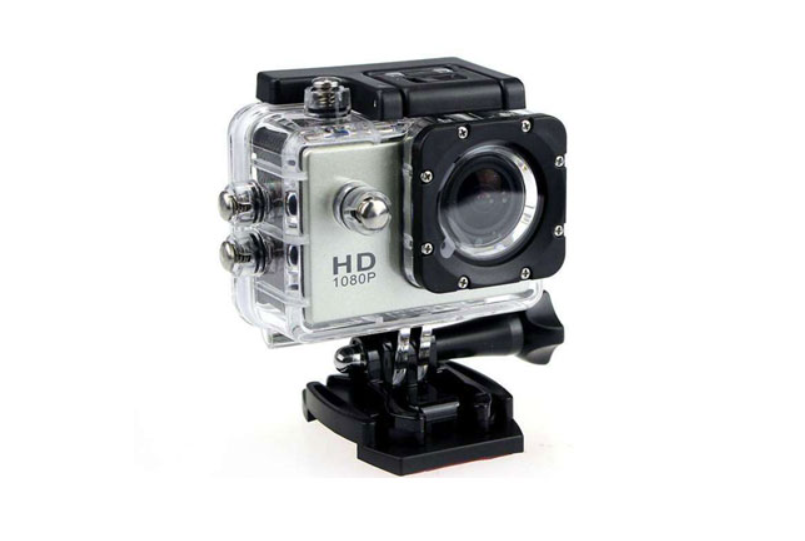
Camera FCC Certification Testing Items
1. EMI (Electro-Magnetic Interference) - Electromagnetic Interference Test
Radiated Emission - Radiation Interference Test
Conducted Emission - Conduction Interference Test
Harmonic - Harmonic Current Interference Test
Flicker - Voltage Fluctuation and Flashing Test
2. EMS (Electro-Magnetic Susceptibility) - Electromagnetic Immunity Test
ESD - Electrostatic Immunity Test
RS - Radio Frequency Electromagnetic Field Radiation Immunity Test
CS - Radio Frequency Field Induced Conductive Interference Immunity Test
DIP - Voltage Sudden Drop, Short Interruption and Voltage Variation Immunity Test
SURGE - Surge (Impulse) Immunity Test
EFT - Electrical Fast Transient Pulse Cluster Immunity Test
PFMF - Power Frequency Magnetic Field Immunity Test
 Previous

Related News

2024.10.12
EMC testing Contents and Current Situation of Automotive Electronic products
2024.11.28
Which is the better EMC testing service provider in Shenzhen? What are the main projects of EMC testing?
2025.02.21
How to choose the best circuit protection devices in a circuit?
2026.07.13
What should be done if a USB interface fails ESD testing?
2026.08.06
Why TVS Diodes With the Same VRWM Have Different Clamping Voltages
2026.08.07
Single-Channel ESD Diodes vs ESD Arrays: How to Choose


