





 Submit


Test standards for automotive electronic load rejection shock tests
 2024.12.18 00:00:00
 612
612





The EMC issue of automotive electronic products is a problem that cannot be ignored. Currently, there is a complete standard system for automotive EMC in the world.
The ASIM Electronic Electromagnetic Compatibility Laboratory provides drop impact tests in accordance with the ISO 7637-2:2004 / GB/T 21437.2-2008 testing standards.
Equipment parameters
Pulse wave A shape: 5a/5b
Power supply system: 12V/24V, externally adjustable DC
Generator internal resistance (Ri): 12V (0.5Ω, 1Ω, 2Ω, 4Ω, 6Ω)
24V (1Ω, 2Ω, 4Ω, 6Ω, 8Ω)
Pulse leading edge (Tr): 5~10ms
Pulse duration (Td)
Pulse interval (T1): 1~5 minutes
Allowed repetition times (N): 1~99 times
Testing standards
ISO7637-2: 2004 / GB/T21437.2-2008
Test Description
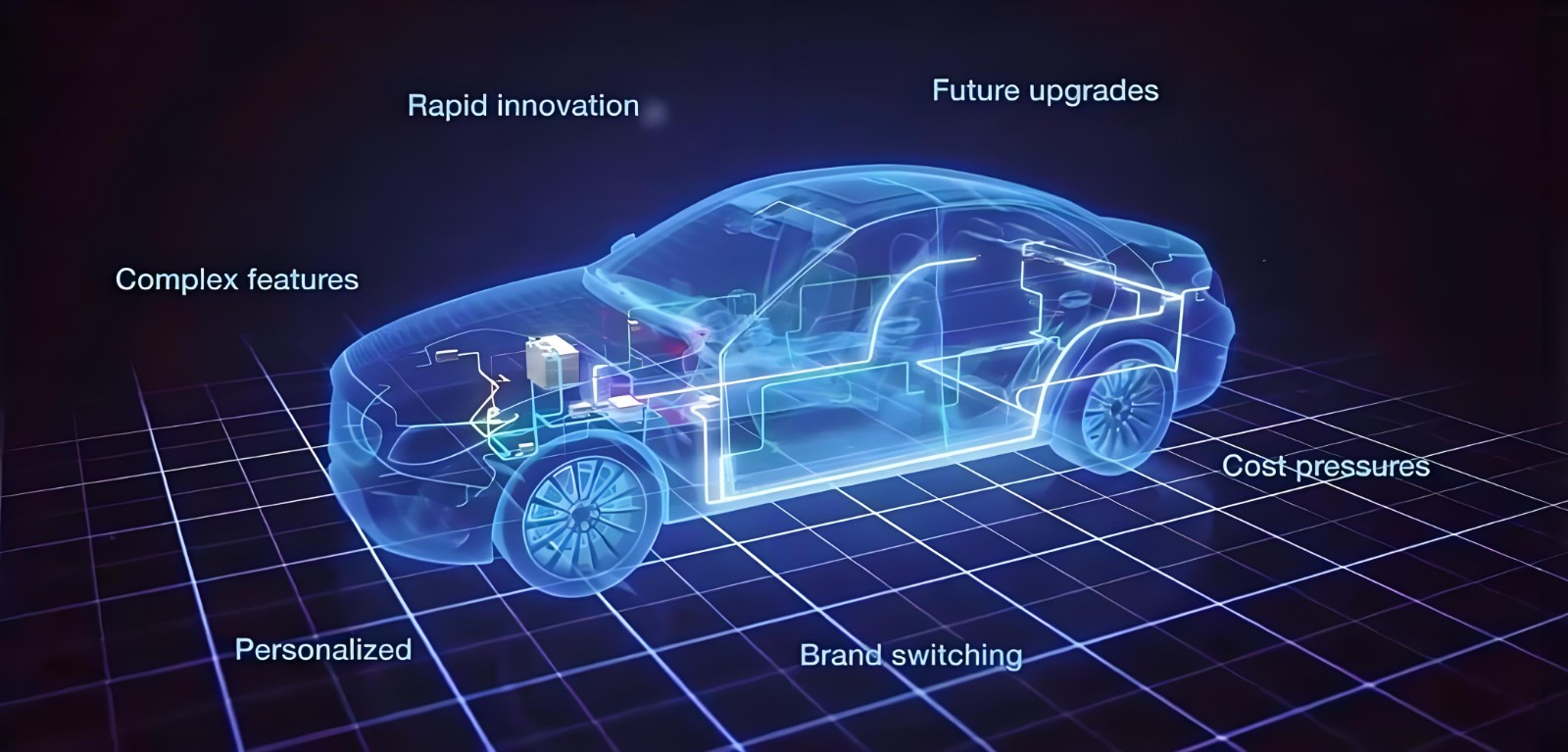
This test system can conduct EMC anti-interference tests for voltage transients (12V / 24V) of power supply lines along the automotive power supply system due to the decrease in vehicle load. It is used to evaluate the anti-interference performance of automotive electrical equipment under the influence of load shedding. Tests for dedicated equipment related to automotive electronics, such as automotive dashcam, rearview monitor, vehicle charging, vehicle GPS navigation, vehicle DVD player, etc.
 Previous

Related News
2026.07.22
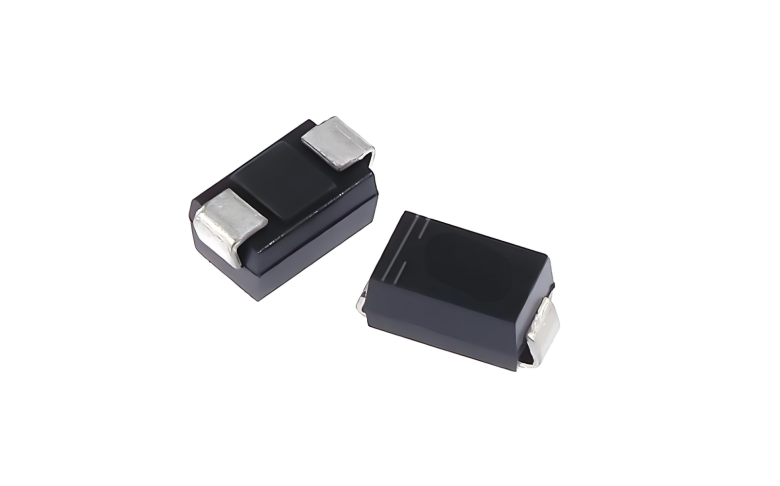
Why Should ESD Protection Devices Be Placed Close to Interfaces? An Analysis of PCB Layout and Discharge Paths
2026.08.04
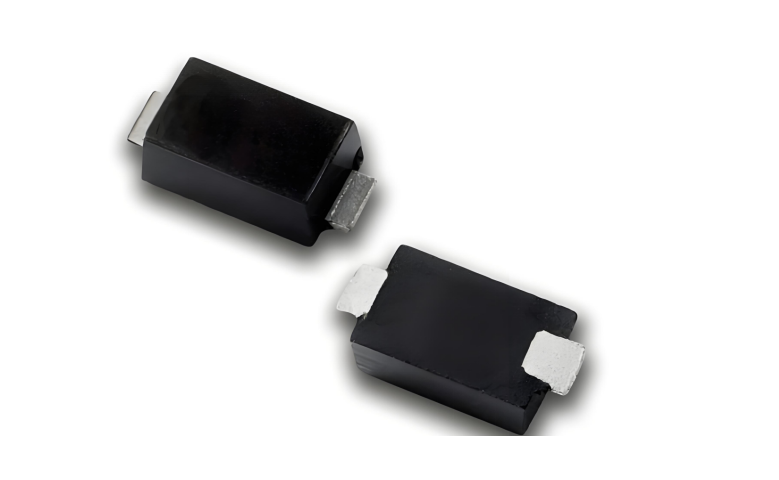
How to implement ESD remediation for devices with plastic housings? Design considerations for buttons, cutouts, and internal PCB dimensions.
2026.08.05
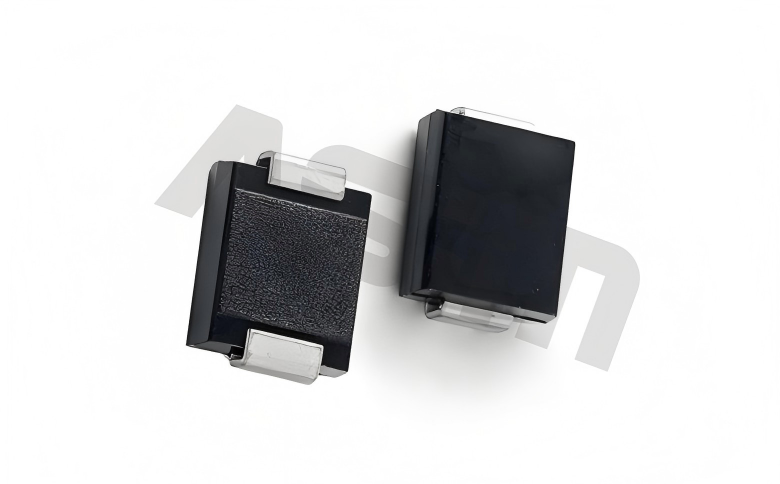
How to Read TVS Diode Reverse Leakage Current (IR): Temperature, VRWM, and Standby Power
2026.08.06
Why TVS Diodes With the Same VRWM Have Different Clamping Voltages
2026.08.07
How to Estimate TVS Diode Dynamic Resistance From VC and IPP
2026.08.07
Single-Channel ESD Diodes vs ESD Arrays: How to Choose


