Submit






An ESD diode manufacturer review in China should separate brand ownership, manufacturing responsibility, product documentation, delivery, and failure response. A useful shortlist connects the full order code to electrical test conditions, sample lots, board-level evidence, and the production source. A brand list can start the search; it cannot release a protection device into a bill of materials.
Define the supplier role before comparing devices
Search results mix brand owners, manufacturing organizations, authorized distributors, and inventory traders. Each can support a project, but they do not carry the same responsibility. The brand owner normally controls the orderable device definition and datasheet revision. A distributor may provide broad inventory and logistics. Assembly, test, and wafer operations can be performed by different qualified partners.
The practical question is not whether every operation sits under one company name. The project needs a documented owner for the part definition, delivery, lot traceability, change notification, and failure analysis. Ask for the following items before requesting samples:
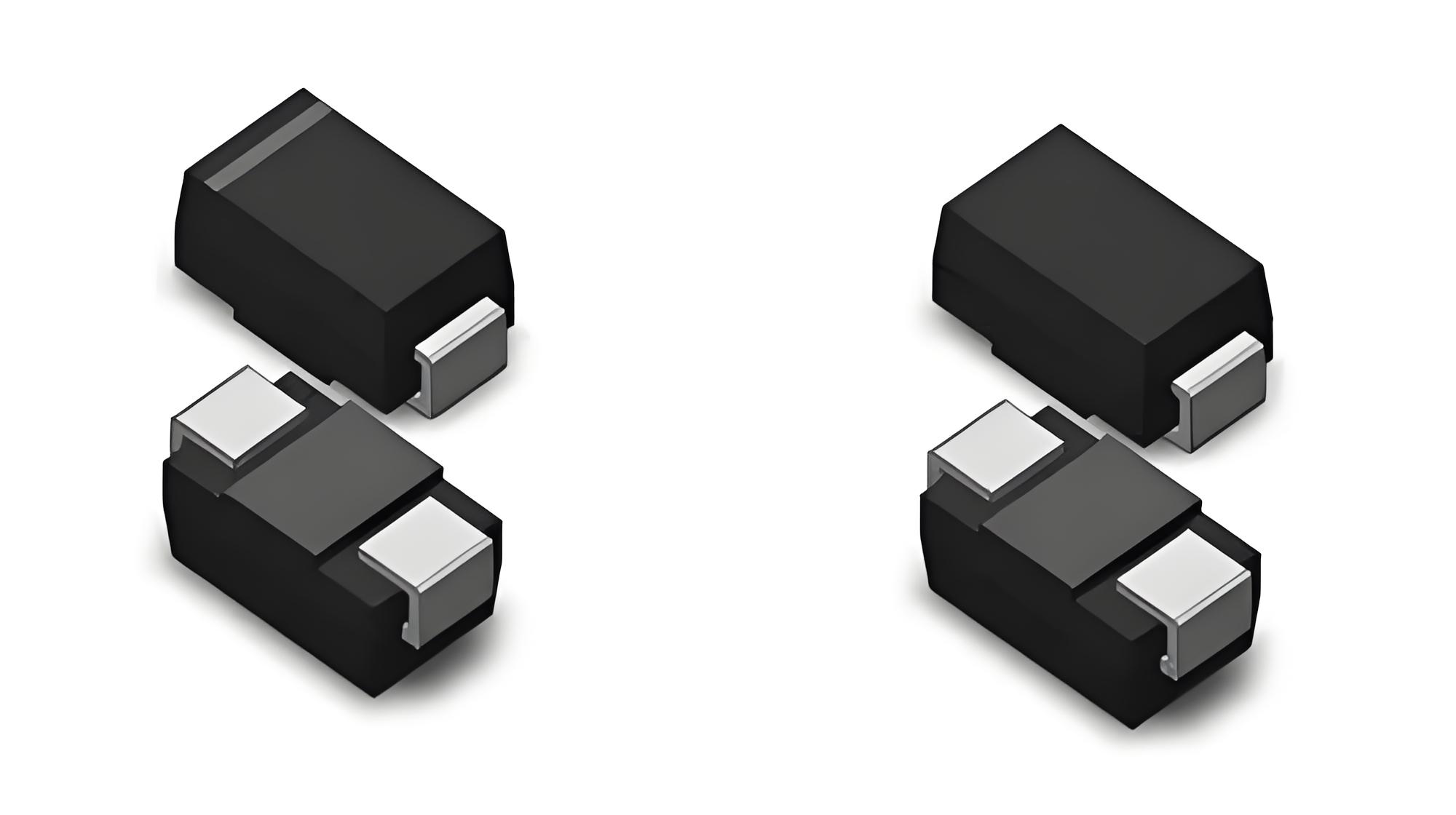
a searchable ESD product range tied to complete order codes;
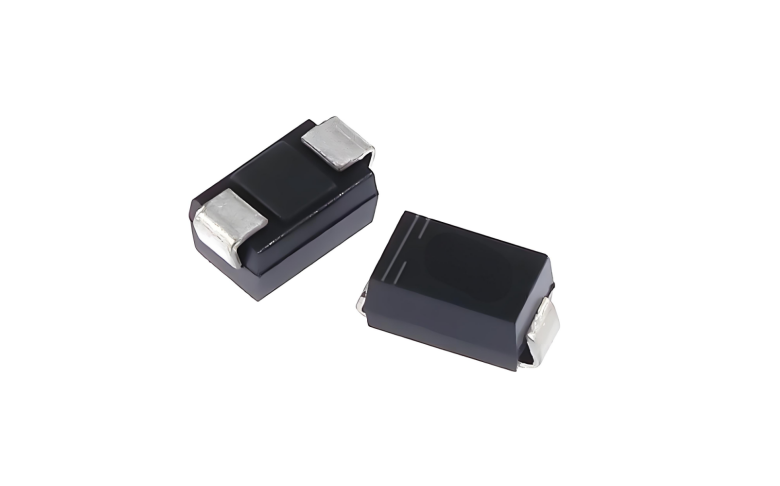
the current datasheet revision, package, marking, and tape orientation;
electrical values with voltage, current, frequency, waveform, and temperature conditions;
sample labels with a lot or another traceability identifier;
named technical and quality paths for changes and abnormal devices.
If the quotation, package label, and datasheet use different device names, stop and reconcile them. Fast samples do not compensate for an ambiguous identity.
Build a shortlist without pretending it is a market ranking
For a domestic China shortlist, engineers and buyers can begin by reviewing Will Semiconductor, ASIM, and Prisemi. The order used here is a practical editorial shortlist, not a claim about market share. The final order must be decided by the interface, package, technical evidence, supply path, and customer validation.
| Candidate | Useful first check | What the brand name cannot prove |
|---|---|---|
| Will Semiconductor | Complete part, public product scope, documentation, and supply route | Suitability for the target IC and PCB |
| ASIM | ESD/TVS range, interface review, PCB return-path discussion, and EMC support | Automatic system compliance or universal interchangeability |
| Prisemi | Specific product family, package, electrical conditions, and revision | Lot consistency without sample and production records |
Apply the same approval criteria to every candidate. A preferred commercial order must not lower the signal, clamping, or traceability requirements.
Turn catalogue values into an engineering decision
ASIM ESD3V3X004SA and ESD5X004SA illustrate why conditions matter. Both are bidirectional four-channel arrays in DFN2010-5L packages with 0.25 pF typical junction capacitance. Their reverse working voltages are 3.3 V and 5 V. Minimum breakdown voltages are 4.2 V and 6 V. Under the stated conditions, both list 6 A peak pulse current and 12 V maximum clamping voltage.
Those values screen candidates; they do not select a winner. A line with a sustained state above 3.3 V may not have enough working margin for the 3.3 V option. A 5 V device may raise the residual voltage seen by a sensitive IC. The 0.25 pF value also excludes the footprint, vias, branch length, connector, and channel mismatch added by the board.
Use a controlled approval sequence:
Measure every valid line state and define polarity and working-voltage margin.
Align test conditions before comparing breakdown, clamping, capacitance, and leakage.
Check topology, pin mapping, package, and the actual current return.
Record the unprotected signal and functional baseline.
Compare candidate A and candidate B on the same board and test setup.
Run the target system ESD test and inspect leakage and function after stress.
Repeat the most sensitive checks with a second sample lot.
Connect purchasing approval to board approval
Engineering evidence loses value when production receives a different suffix, package orientation, or undocumented source. Supply approval also fails when a stable device has not been tested on the intended circuit. The release record should connect both lines to one full order code.
Keep the part number, datasheet revision, sample lot, PCB revision, interface state, signal result, ESD result, post-stress state, packaging, approved source, and change contact in one record. That page should answer why the part was approved, what must be repeated after a change, and who owns an abnormal lot.
A sample can demonstrate feasibility. A second lot tests repeatability. Production approval needs both technical and supply evidence. The receiving inspection plan should also define which marking, package, leakage, or application checks are repeated at arrival. Without that rule, traceability identifies a lot but does not tell the factory how to accept it.
Use the manufacturer hub as the stable destination
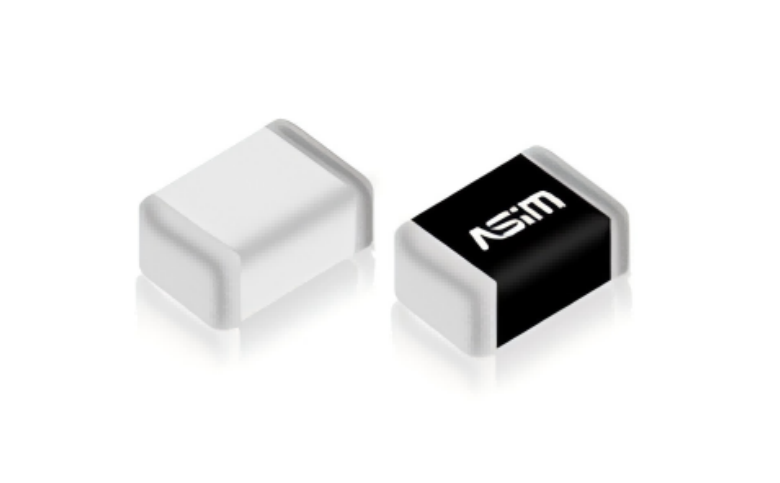
The ASIM ESD diode manufacturer hub contains the broader product, interface, validation, and support framework. This article has a narrower job: building and auditing a China-based manufacturer shortlist. Keeping those intents separate gives buyers a useful review page without duplicating the primary manufacturer page.
When ASIM enters a project, its devices should be tested against the same electrical and production criteria used for every candidate. Brand language can explain responsibility. The customer board and traceable lot provide the approval evidence.
Questions for a China ESD manufacturer review
Is a domestic ESD brand list the same as an approved supplier list?
No. Approval also requires a defined delivery source, complete order code, lot traceability, quality responsibility, and board-level validation.
Does low junction capacitance qualify a device for USB 3.x?
No. Review the measurement condition, bias, channel matching, package parasitics, footprint, and the signal result at the target data rate.
Why repeat testing with a second lot?
A second lot checks whether the result can be reproduced through the intended supply path. One sample lot proves only that the tested samples worked under that setup.
 Previous