Submit






Two TVS diodes carrying a 600 W label can have different quotations because peak pulse power is only one condition-dependent rating. Working voltage, breakdown tolerance, clamping voltage at a stated current and waveform, die and package design, qualification documents, traceability, order quantity, and delivery terms all affect the offer.
Remove the 600 W label from the purchasing shortcut
Peak pulse power, commonly shown as PPPM, applies to a defined pulse waveform, duration, starting temperature, and derating condition. It is not continuous dissipation, and it does not describe every long surge. Two 600 W products can produce different maximum clamping voltages at the customer’s actual current or reach different temperatures during repeated pulses.
A usable request for quotation states the maximum sustained voltage, allowed abnormal states, pulse waveform, source impedance, peak current, repetition, interval, temperature, downstream voltage limit, polarity, package, quantity, packing, and documentation requirement. “24 V, 600 W, SMA” leaves the manufacturer to guess the parts of the application that determine the result.
Include these fields in every request:
sustained voltage and fault or charging states;
pulse waveform, source impedance, current, count, and interval;
maximum allowable voltage at the protected load;
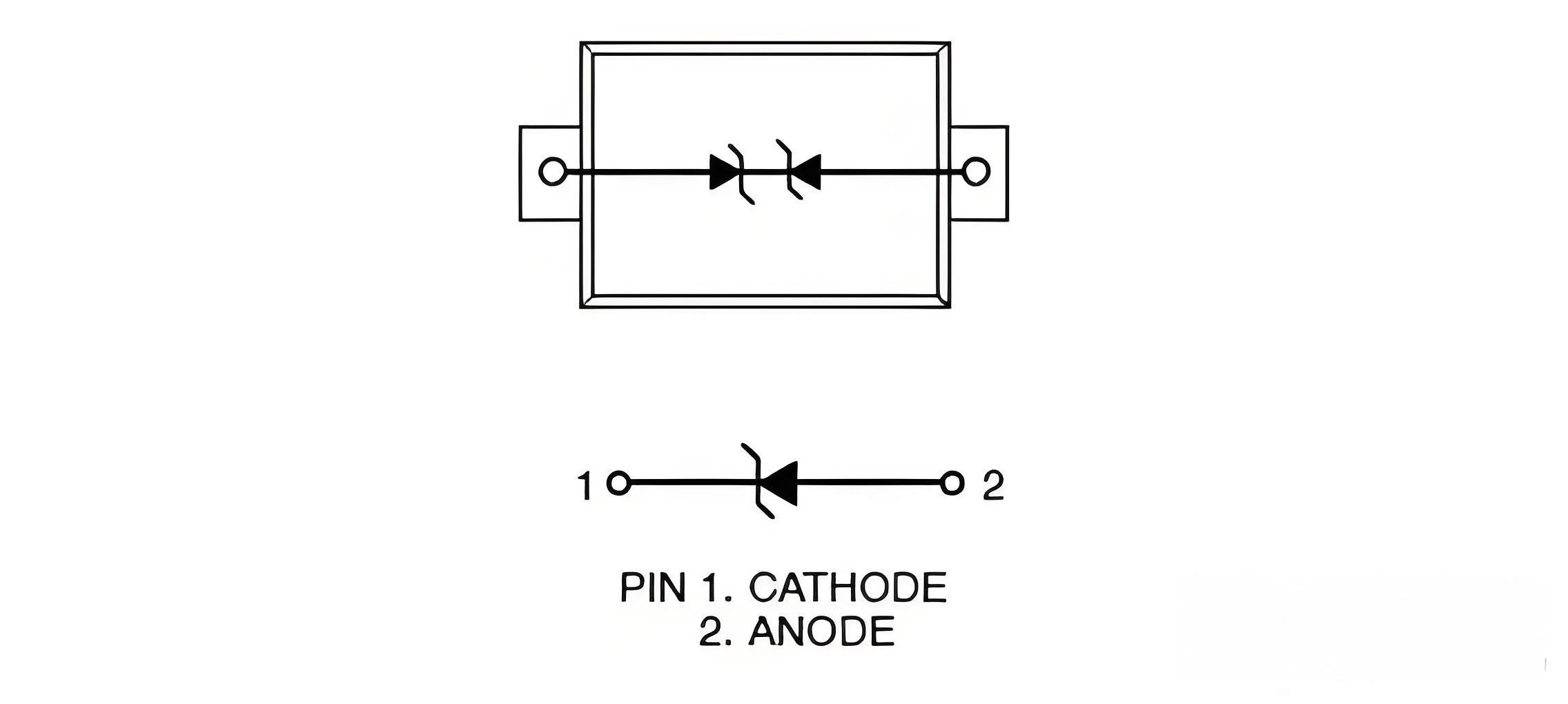
unidirectional or bidirectional behavior and package boundary;
ambient and operating temperature;
sample, pilot, annual quantity, reel, and lead-time requirements.
Align the electrical definitions before the price columns
Reverse working voltage, breakdown range, maximum clamping voltage, peak pulse current, leakage, and temperature behavior define the usable electrical window. A lower clamping number is not an advantage when it was measured at a lower current or a different waveform. A narrower breakdown tolerance or an added screening limit can also change production and test cost.
| Quotation field | Conditions that must match | Risk when they do not match |
|---|---|---|
| Peak pulse power | Waveform, pulse width, temperature, and derating | “600 W” loses a common basis |
| Maximum VC | Corresponding IPP, waveform, and temperature | A low-current number is treated as the real surge result |
| VRWM and VBR | Sustained window, test current, and tolerance | Off-state conduction or inadequate protection |
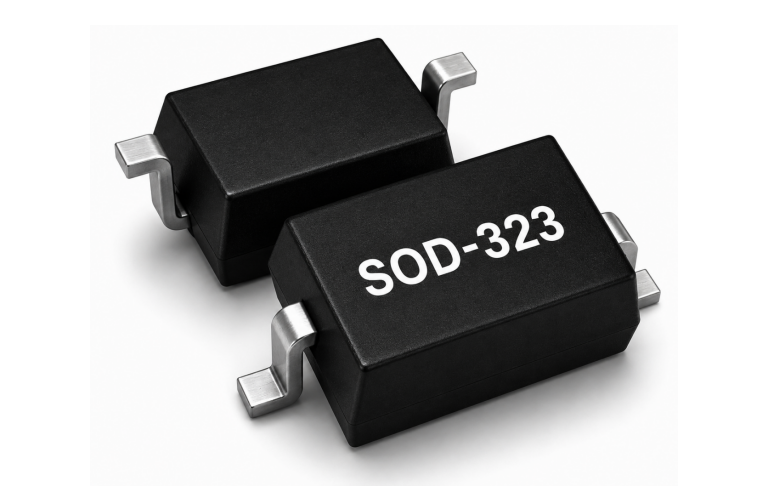
| Package | Outline, land pattern, thermal and current path | A family name hides physical differences |
| Qualification evidence | Complete order code and revision | Standard and qualified versions are mixed |
ASIM SMA04J24V provides a 400 W example of a complete parameter set. It uses an SMA/DO-214AC package, lists 24 V reverse working voltage and a 26.7 to 29.5 V breakdown range, and under specified conditions lists 10.3 A peak pulse current and 38.9 V maximum clamping voltage. The 400 W label alone would omit every one of those design boundaries. A 600 W comparison needs the same discipline.
Normalize quantity, packing, and delivery
Loose engineering samples, cut tape, pilot reels, and full production reels carry different handling costs. An urgent shipment, assigned lot, reserved stock, scheduled delivery, or extended traceability can change the quotation. Compare tax, currency, packing unit, minimum order, quotation validity, shipping point, and payment terms on a common basis.
Use a two-pass commercial review:
Engineering freezes the electrical, package, and documentation boundary.
Every supplier quotes a complete order code at the same quantity levels.
Samples, pilot material, and volume prices remain separate.
Purchasing identifies whether inventory is shared, reserved, or subject to prior sale.
The comparison includes normal lead time, replenishment, and discontinuance handling.
The lowest qualified candidates enter board and second-lot validation.
This approach does not force purchasing to choose the highest price. It prevents the lowest price from winning by omitting required conditions.
Qualification and analysis support need defined deliverables
An automotive project may require part-specific qualification evidence, temperature information, change control, and customer submission records. Verify that every document matches the exact suffix being quoted. A generic family certificate should not price a standard part as if it automatically carried the same approval.
Failure-analysis support also needs a boundary. Ask whether the supplier accepts returned samples, which test record is required, whether it performs electrical confirmation, and how a production lot is contained during investigation. The phrase “full technical support” has no purchasing value until these actions and owners are visible.
Quality cannot be inferred from a high price, just as equivalence cannot be inferred from a low one. Quality evidence comes from specifications, aligned test conditions, repeatable lots, board results, and a documented response to abnormal material.
Finish the quotation with a board decision
Test candidate TVS devices on the same board with the same waveform, source, probe point, temperature, and functional criterion. Compare the voltage at the TVS terminals and protected load, then inspect leakage, temperature, and function after repeated stress. Add lot identity and formal supply terms to the engineering result.
The ASIM TVS diode manufacturer hub is the stable product and manufacturer destination. This quotation page performs a more specific task: it converts price differences into technical and supply fields that purchasing and engineering can audit together.
A clean comparison also records the currency date and quotation validity, preventing an old commercial condition from being mistaken for a current technical advantage.
Questions about TVS manufacturer quotations
Can two 600 W TVS diodes in the same package be compared by price alone?
No. Align working voltage, breakdown tolerance, maximum VC at the same IPP and waveform, leakage, temperature, documents, and board results.
Why is the sample price much higher than the volume price?
Cut-tape handling, quantity, packing, stock position, and commercial terms differ. Request the same quantity and delivery basis from every source.
Does a higher TVS price prove better quality?
No. Quality needs a complete specification, traceable production, aligned testing, lot repeatability, board validation, and an abnormal-material process.
Copyright notice:Copyright belongs to Shenzhen ASIM Electronics Co., Ltd. Please retain the author, source, and original URL when quoting or republishing.
Original URL: https://asim.com.cn/tvs-diode-manufacturer-price-comparison-en.html
 Previous