





 Submit


What is the difference between SMD TVS and leaded (through-hole) TVS?
 2026.07.10 00:00:00
 88
88





SMD TVS devices are compact and feature low parasitic inductance, making them suitable for automated assembly and space-constrained PCBs; in contrast, leaded (through-hole) TVS devices offer high mechanical strength and ample space for heat dissipation, making them ideal for certain power supplies, industrial equipment, and high-energy surge applications. One cannot judge their capabilities solely by form factor; instead, it is essential to compare parameters such as package type, peak power, surge current, clamping voltage, and mounting method.
1. What is an SMD TVS?
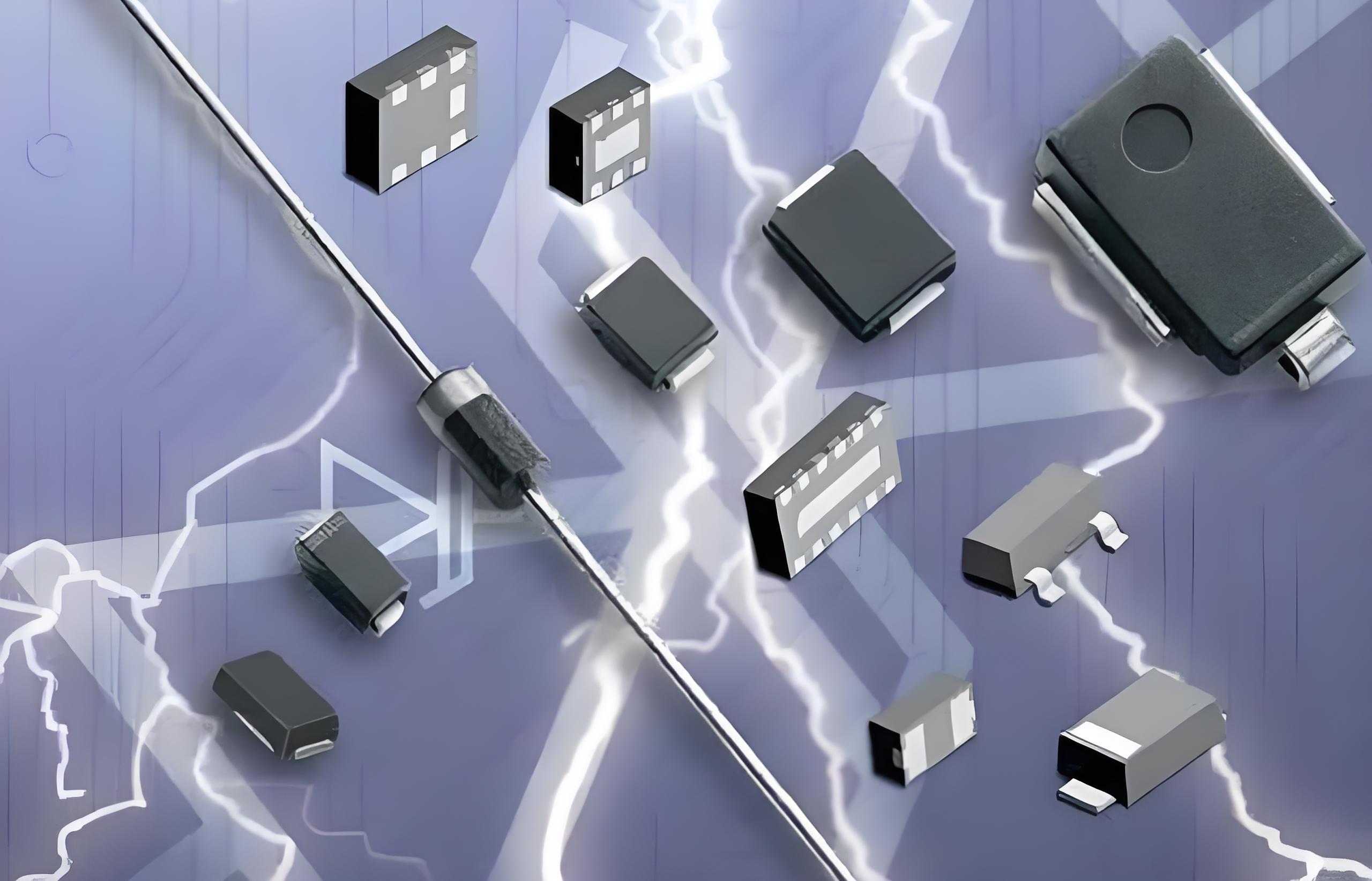
An SMD TVS is a Transient Voltage Suppressor diode designed for surface-mount packaging; common package types include SOD-123FL, SMA, SMB, SMC, and SM8S. Suitable for automated SMT assembly, these devices are widely used in consumer electronics, automotive electronics, communication equipment, industrial control boards, and power modules.
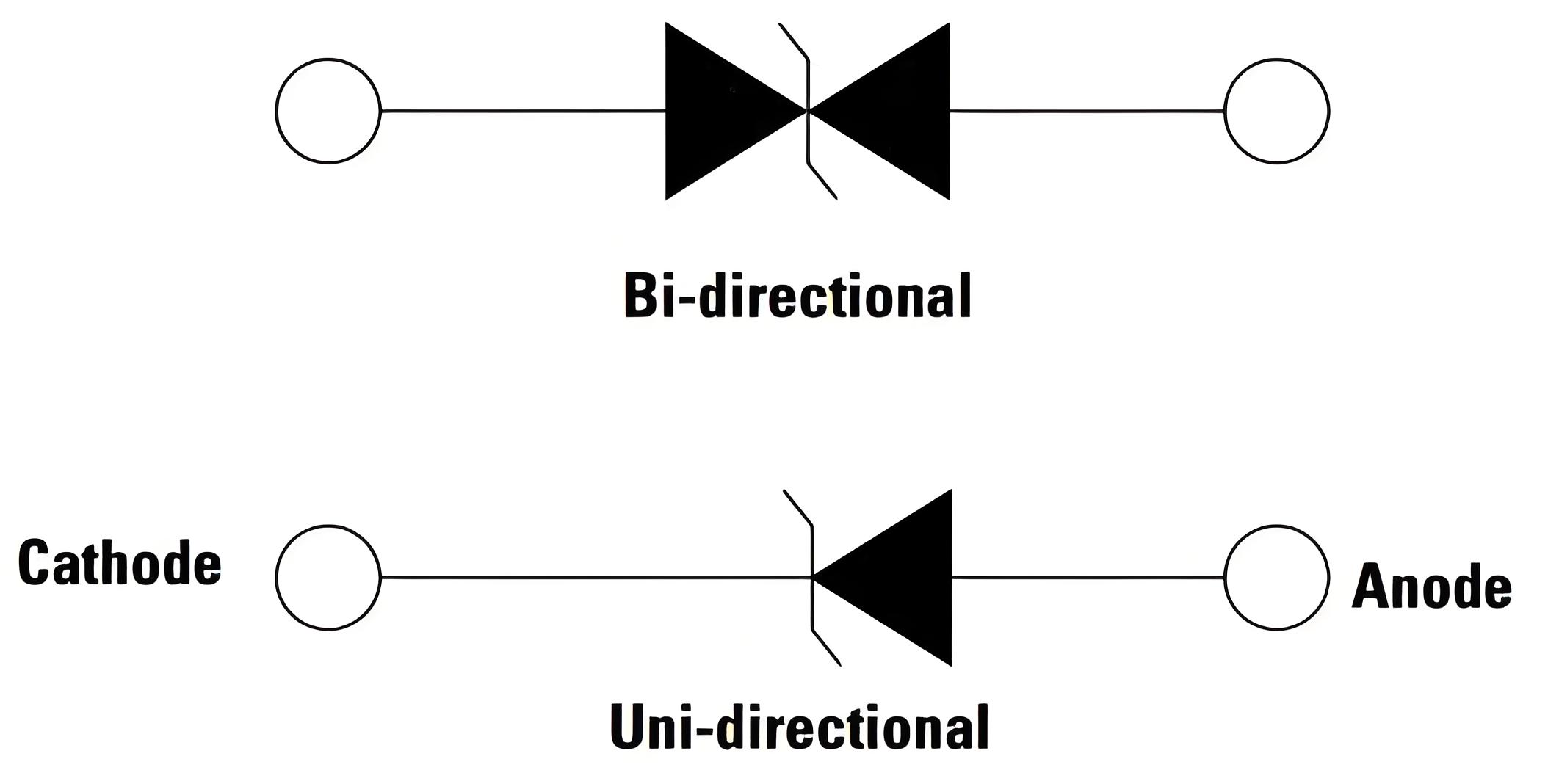
SMD packaging allows for shorter trace lengths and relatively lower parasitic inductance, which helps improve transient response. SMD TVS devices are a very common choice for interface protection and surge protection in low- to medium-power supplies.
II. What is a Leaded TVS?
Leaded TVS devices typically feature axial leads or through-hole packages, such as P600, DO-15, and DO-201. They are installed via manual soldering or wave soldering processes, offering a straightforward mechanical connection; certain package types are well-suited for high-power applications or power supply boards with ample space.
Leaded TVS devices remain common in traditional power supplies, industrial equipment, adapters, motor control systems, and certain high-surge applications. However, due to their long leads, designers must pay attention to lead inductance and loop area during PCB layout.
| Comparison items | SMD TVS | Leaded TVS | Selection Recommendations |
|---|---|---|---|
| Installation Method | SMT Surface Mount Technology | THT/Wave Soldering | Select based on production process |
| Footprint area | Smaller size, suitable for compact PCBs. | Usually larger | Prioritize SMT for space-constrained designs. |
| Relatively low | Higher when the leads are long. | High-speed or fast surges place greater emphasis on layout. | |
| Power coverage | Available in power from low to high. | Commonly found in high-power applications. | Don't just look at whether it's SMD or through-hole; you need to check the datasheet. |
| Maintenance Identification | Some small-package components are difficult to identify. | The device's profile is more distinct. | Consider application and maintenance requirements. |
III. Suitable Applications for SMD TVS
SMD TVS components are suitable for high-density PCBs, automated manufacturing processes, interface protection, power input protection, and automotive electronic modules. Packages such as SMA, SMB, SMC, and SM8S cover various surge power ratings and facilitate placement near interfaces or power entry points on the circuit board.
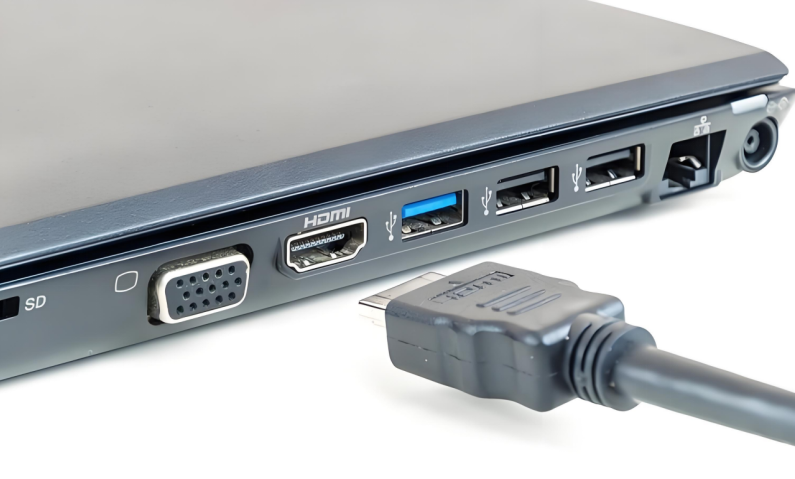
For interfaces such as USB, Type-C, HDMI, CAN, LIN, and DC power inputs, SMD TVS components enable shorter discharge paths, aligning well with the structural and manufacturing requirements of modern electronic products.
IV. Suitable Applications for Leaded TVS Diodes
Leaded TVS diodes are suitable for products that have relatively ample internal space, require high mechanical strength, utilize through-hole soldering processes, or require larger packages to handle surge energy. Examples include certain industrial power supplies, adapters, chargers, motor control boards, security system power supplies, and traditional power modules.
If the system employs through-hole assembly or there is significant space available at the power input, a leaded TVS diode can serve as a viable protection solution. However, during PCB layout, lead lengths and loop paths should be minimized to prevent parasitic inductance from compromising clamping performance.
V. Do Not Base Component Selection Solely on Package Type
Surface-mount and through-hole configurations merely represent the mounting format; the true determinants of a TVS device's capabilities are its peak pulse power, maximum peak pulse current, clamping voltage, operating voltage, package thermal characteristics, and test waveforms.
Even among surface-mount TVS devices, power ratings vary significantly across different packages; similarly, for through-hole TVS devices, different series entail distinct test conditions and rated capabilities. When selecting components, engineers should rely on datasheet specifications and actual testing standards.
VI. FAQs
Q: Do leaded TVS diodes necessarily have higher power ratings than SMD TVS diodes?
A: Not necessarily. Some high-power SMD TVS diodes can also withstand significant surge currents; the specific model and datasheet must be consulted.
Q: Are SMD TVS diodes suitable for automotive applications?
A: They are suitable for many automotive modules, though the appropriate model must be selected based on automotive testing standards, power ratings, temperature ranges, and reliability requirements.
Q: What TVS package types does Asaim offer?
A: Asaim’s TVS products cover a wide range of packages—including SOD-123FL, SMA, SMB, SMC, SM8S, and P600—suitable for surge protection across various power levels.
 Previous

Related News
2025.09.05
ESD5E001TA Bidirectional TVS Diode Technical Specification -ASIM
2025.09.06
TVS Diode Failure Mode Analysis: Design Guide for Protection Differences between Short Circuit and Open Circuit -ASIM
2026.05.19
What Is an ESD Diode? Working Principle, Key Parameters & Selection Guide
2026.06.10
ESD protection for the gate of SiC/GaN power devices: Why it is more difficult to protect than IGBT
2026.06.11
ESD Protection for High-Speed Automotive Interfaces
2026.06.11
How Chinese ESD Manufacturers Match Global Standards: ASIM Technical Analysis
2026.06.18
ESD Protection for HDMI and DisplayPort Interfaces: 4K/8K Video Connector Design Guide
2026.06.22
TVS Diode VRWM, VBR, and VC: Parameter Relationship Guide
2026.07.08
Are SM8S series TVS diodes suitable for automotive power supplies?
2026.07.08
What is the difference between SMA and SMB packaged TVS diodes?


